you need java   
      Clock Info

Space Science Research at APL

APL has been a pioneer in space science and engineering for over 40 years. We strive to set new paradigms for innovative space missions, and do so in an expeditious, cost-effective manner while achieving our scientific and technological objectives. We have designed, built, tested and launched 62 spacecraft and over 150 instruments since 1959 to investigate various science questions. Although the work of launching a spacecraft is challenging enough, the ultimate goal is to return scientific products that provide answers to our investigations.

Beginning in the late 1950's, our research focused on the near Earth environment and the interaction of the Sun's energy with the Earth's environment. While that remains a key research are, our interests have expanded to include fields such as planetary science, atmospheric physics, ocean environments, and the interplanetary medium. APL conducts science research in an academic manner, though competitive awards, peer reviews, and publications in peer reviewed journals.

Energetic charged particles (Tech Digest Article)
The study of energetic charged particles and magnetic fields in space was at the beginning of APL's research into space physics. Although these studies originated with the Earth's magnetic fields, research has expanded to explore the magnetic fields around our neighboring planets. Recent discoveries and surprises will lead to greatly improved predictions of space weather and its effects on systems operating in space as well as on Earth's surface.
Relevant Missions: ACE , AMPTE, APEX, Aurora, Cassini/MIMI, Geotail/EPIC, Flare Genesis, Freja, Galileo EPD, IMAGE/HENA ,IMP-8, MSX, SSUSI, STEREO, Stormwatch , SuperDARN, TIMED, UARS, Ulysses, UPOS, Voyager/LECP

Auroral Imaging (Tech Digest Article)
As new instruments have been developed to study the Earth's aurora, we learn more about how energy and mass are transferred from the Sun to the Earth. Auroral imaging is key to understanding space weather because aurora are visible manifestations of the highly variable interaction between the Sun and the Earth's magnetosphere, upper atmosphere, and ionosphere. We are just beginning to investigate the phenomenon of aurora on our nearby planets

Relevant Missions: HILAT/AIM, Delta 180, Polar BEAR/AIRS, Delta 181, MSX/UVISI, TIMED/GUVI, DMSP/SSUSI

Solar Physics (Tech Digest Article)
Solar research at APL aims to understand the physics that govern solar activity and its effects on our planet. Solar "proton showers" disable satellites and endanger astronauts. Solar activity also causes geomagnetic storms, which can lead to communication disruptions, electric power network problems, satellite orbit shifts, and even satellite failure. Predicting storm conditions requires understanding solar magnetism and its fluctuations.

Relevant Missions: ACE, AMPTE, APEX, Aurora, Cassini/MIMI, Geotail/EPIC, Flare Genesis, Freja, Galileo EPD, IMAGE/HENA, IMP-8, MESSENGER, MSX, SSUSI, STEREO, SuperDARN, TIMED, UARS, UPOS

Planetary Science (Tech Digest Article)
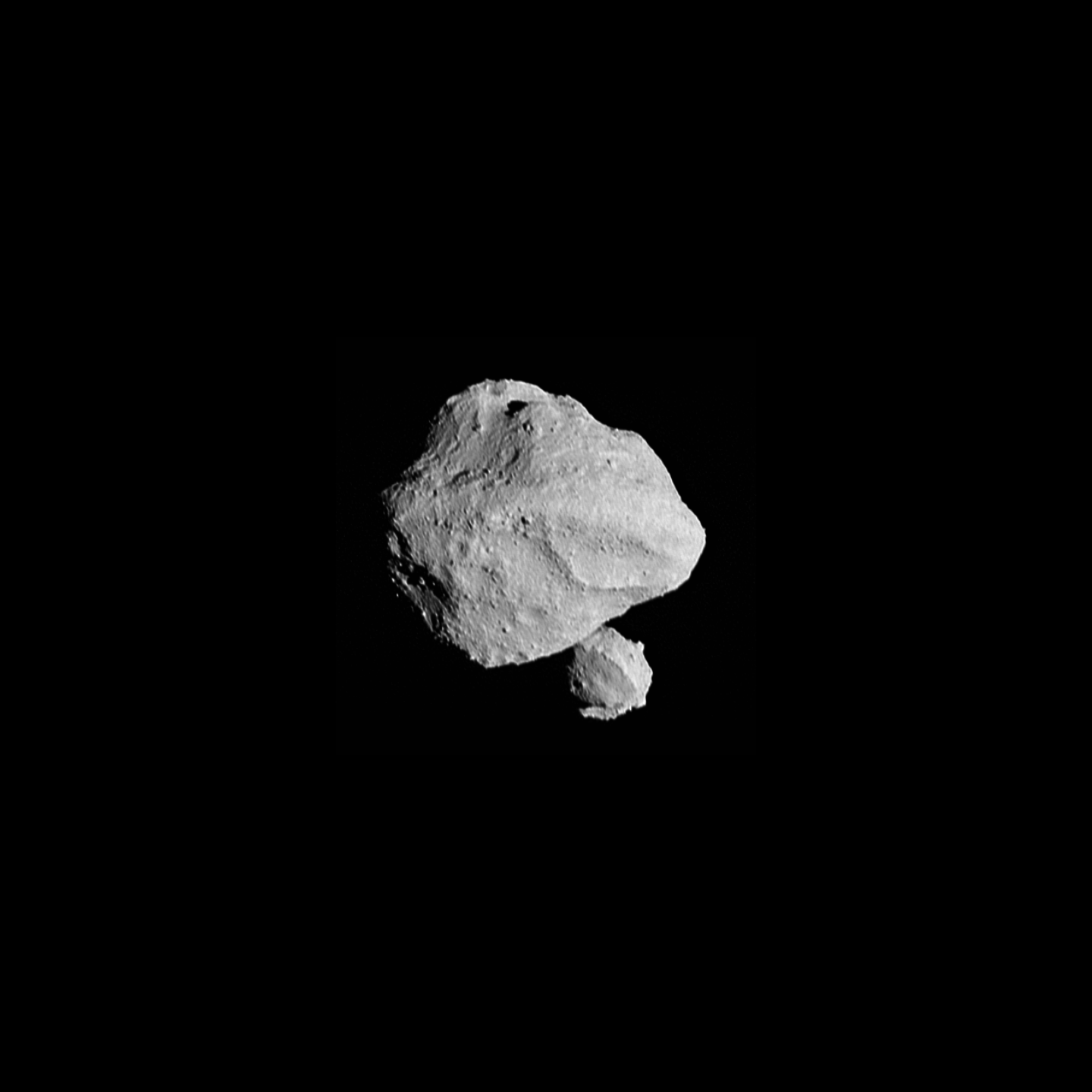
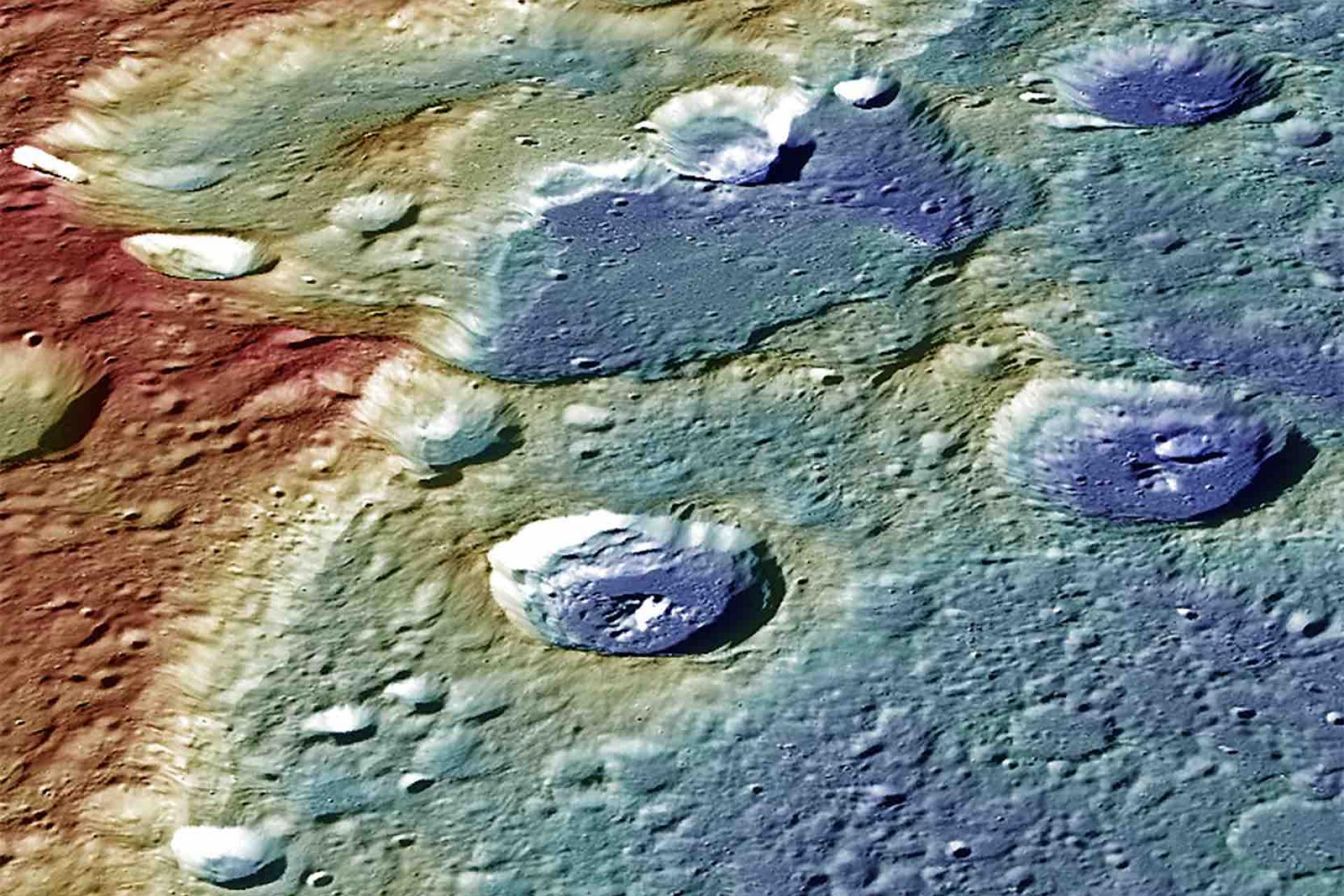
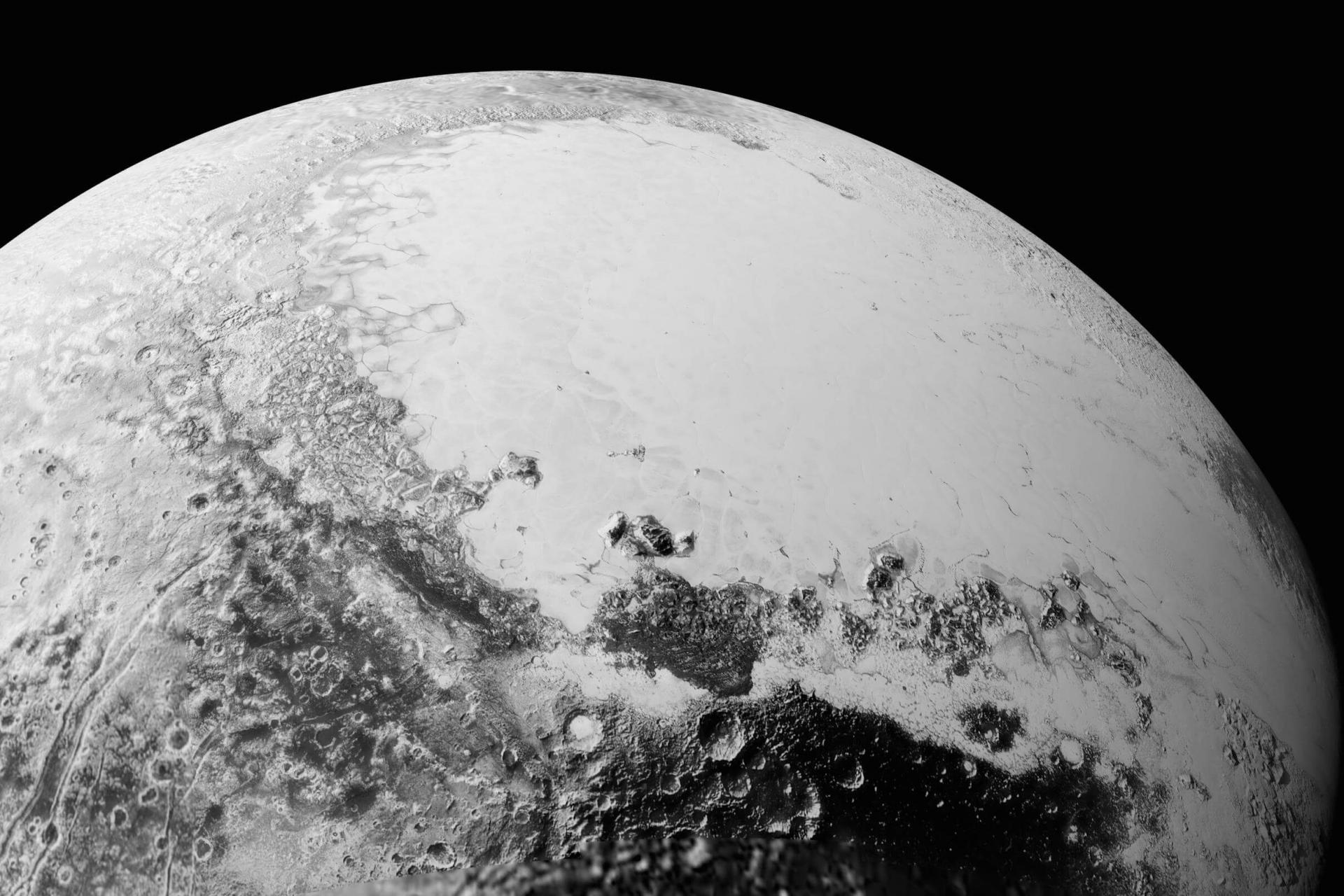
Planetary science concerns the planets themselves, their surfaces, atmospheres, interiors and satellite systems, and the smaller members of the solar system such as comets, asteroids, and meteoroids. Exploration of the solar system involves learning not only about present day processes and conditions, but also about the origins of the solar system, the geologic histories of the planets and smaller bodies, and the origins of life.

Relevant Missions: ACE, Cassini/MIMI, CONTOUR, CRISM, FUSE, Galileo EPD, IMAGE/HENA, MESSENGER, MSX, NEAR, New Horizons, Ulysses, Voyager/LECP

Atmosphere and Ionosphere (Tech Digest Article)
An APL instrument produced the first full-color image of the Earth from space on 25 July 1968. Since then we have produced a line of unique and powerful sensors that tell us about the Earth's atmosphere and its response to solar inputs. APL's research into the Earths atmosphere and ionosphere, conducted from both the ground and satellites, employs optical remote, radar remote and particle remote sensing.

Relevant Missions: ACE, AMPTE, APEX, Aurora, Geotail/EPIC, Flare Genesis, Freja, IMAGE/HENA, IMP-8, MSX, SSUSI, STEREO, Stormwatch, Ulysses, Voyager/LECP, SuperDARN, TIMED, UARS, UPOS

Ocean Remote Sensing (Tech Digest Article)
Scientists and engineers in the APL Space Department have contributed to ocean remote sensing science and technology for more than a quarter century. APL Radar altimeters have set the standard for measurement precision and reliability, and concepts for new instruments promise to maintain this leadership. A variety of techniques for extracting quantitative information about ocean winds, waves, and currents from radar images will help to address environmental issues.

Relevant Pages: Ocean Remote Sensing


Last verified: 01/08/2007